
Bratislava
Capital of Slovakia, historic coronation city of Hungarian kings.

Lukáš Perný · CC BY-SA 4.0
Bratislava is the capital and largest city of Slovakia, situated in southwestern Slovakia at the foot of the Little Carpathians on both banks of the Danube and the left bank of the River Morava. It is the only national capital with land borders with two other sovereign states—Austria and Hungary—and lies just 50 kilometers from Vienna, making them the closest pair of capital cities in Europe.
- Country
- Slovakia
- Population (metropolitan area)
- approximately 1.3 million
- Location
- Southwestern Slovakia, at the foot of the Little Carpathians, on the Danube and Morava rivers
- Modern role
- Political, cultural, and economic centre of Slovakia; seat of the president, parliament, and supreme courts
- Tourism (2024)
- approximately 1.2 million annual visitors
Lore & Background
From the 1st to 4th century A.D., the region was part of the Roman Danubian Limes, and Romans introduced grape growing and winemaking. Slavs arrived between the 5th and 6th centuries, and the castles at Bratislava and Devín were important centers of the Principality of Nitra and Great Moravia in the 9th century.
Reader's Guide
Bratislava's significance stems from its long history as a political and cultural crossroads. Martin's Cathedral. Most Hungarian parliament assemblies were held here from the 17th century until the Hungarian Reform Era. The city's population and character were shaped by Austrians, Bulgarians, Croats, Czechs, Germans, Hungarians, Jews, and Slovaks. Today, Bratislava is the political, cultural, and economic centre of Slovakia, hosting the president, parliament, executive, and supreme courts. It is the 19th-richest region of the European Union by GDP (PPP) per capita, with GDP about three times higher than other Slovak regions. The city attracts over one million tourists annually, primarily from the Czech Republic, Germany, Austria, and the United Kingdom.
Did You Know?
- Bratislava is the only national capital with land borders with two other sovereign states: Austria and Hungary.
- Bratislava and Vienna are the closest pair of capital cities in Europe, just 50 kilometers apart.
A Capital Perched on Three Frontiers
Bratislava holds a geographic distinction that no other European capital can claim: it shares land borders with two separate sovereign nations, Austria and Hungary, while serving as the seat of Slovakia's government. Nestled at the base of the Little Carpathians, the city straddles both banks of the Danube and the left bank of the Morava, making it the fourth-largest city along the Danube's entire course. Its proximity to Vienna—just fifty kilometres away—creates the closest pairing of national capitals anywhere in Europe. Politically, Bratislava concentrates the full apparatus of Slovak state power: the presidency, the national parliament, the executive branch, and the highest courts, including the Supreme Court and the Supreme Administrative Court, all operate from this single compact capital. This density of governance in a city of modest size gives it a gravitational pull that draws citizens and institutions from across the country.
Crown, Parliament, and a Mosaic of Peoples
For over two centuries, Bratislava served as the ceremonial and legislative heart of the Kingdom of Hungary. This royal and political role made it a natural magnet for a remarkably diverse population: Austrians, Bulgarians, Croats, Czechs, Germans, Hungarians, Jews, and Slovaks all left their mark on the urban fabric. The city also became a repository of historical figures from Hungarian, German, and Slovak traditions. Its roots stretch far deeper than the Habsburg era. Roman garrisons later incorporated the area into the Danubian Limes border system and planted the first vineyards, a winemaking tradition that persists to this day. When Slavic tribes arrived during the Migration Period, they would go on to found Samo's Empire in the seventh century, the earliest known Slavic political entity.
A Name in Constant Dispute
The identity of Bratislava's name is one of European toponymy's most tangled puzzles. The German Preßburg and the Slovak Prešporok both descend from that same root. A dramatic twist arrived after World War I, when Slovak Americans proposed renaming the city Wilsonov or Wilsonstadt in honour of President Woodrow Wilson, whose diplomacy helped found the First Czechoslovak Republic. Ironically, the modern form owes its shape to Pavol Jozef Šafárik, who misread a medieval source and coined the variant that eventually stuck. Confusingly, older Latin documents sometimes use Bratislavia or Wratislavia, which actually refer to Wrocław in Poland.
Slovakia's Economic and Cultural Engine
Today Bratislava functions as the undisputed political, cultural, and economic nucleus of Slovakia. It houses the presidency, the national legislature, the executive government, and the country's highest judicial bodies, while also supporting several universities and a dense network of museums, theatres, and galleries. The commercial sector is equally concentrated: numerous large enterprises and financial institutions maintain their headquarters in the city. Economically, Bratislava stands out sharply within its own country. It ranks as the nineteenth-richest region in the entire European Union by GDP at purchasing power parity per capita, and its PPP-adjusted output is roughly three times that of any other Slovak region. The city's appeal extends well beyond its domestic borders. Every year it draws over one million visitors, with the largest contingents arriving from the Czech Republic, Germany, Austria, and the United Kingdom.
Gallery
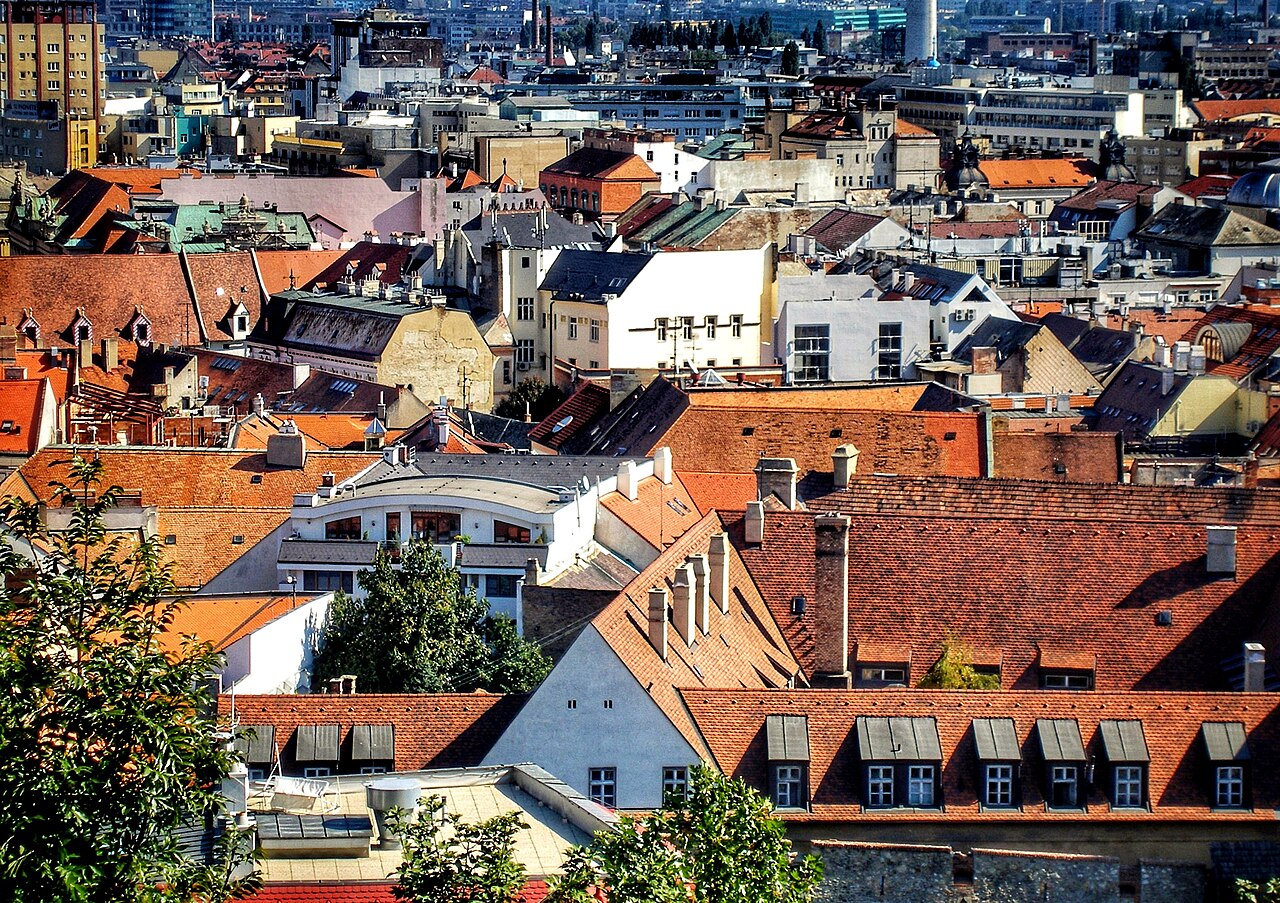
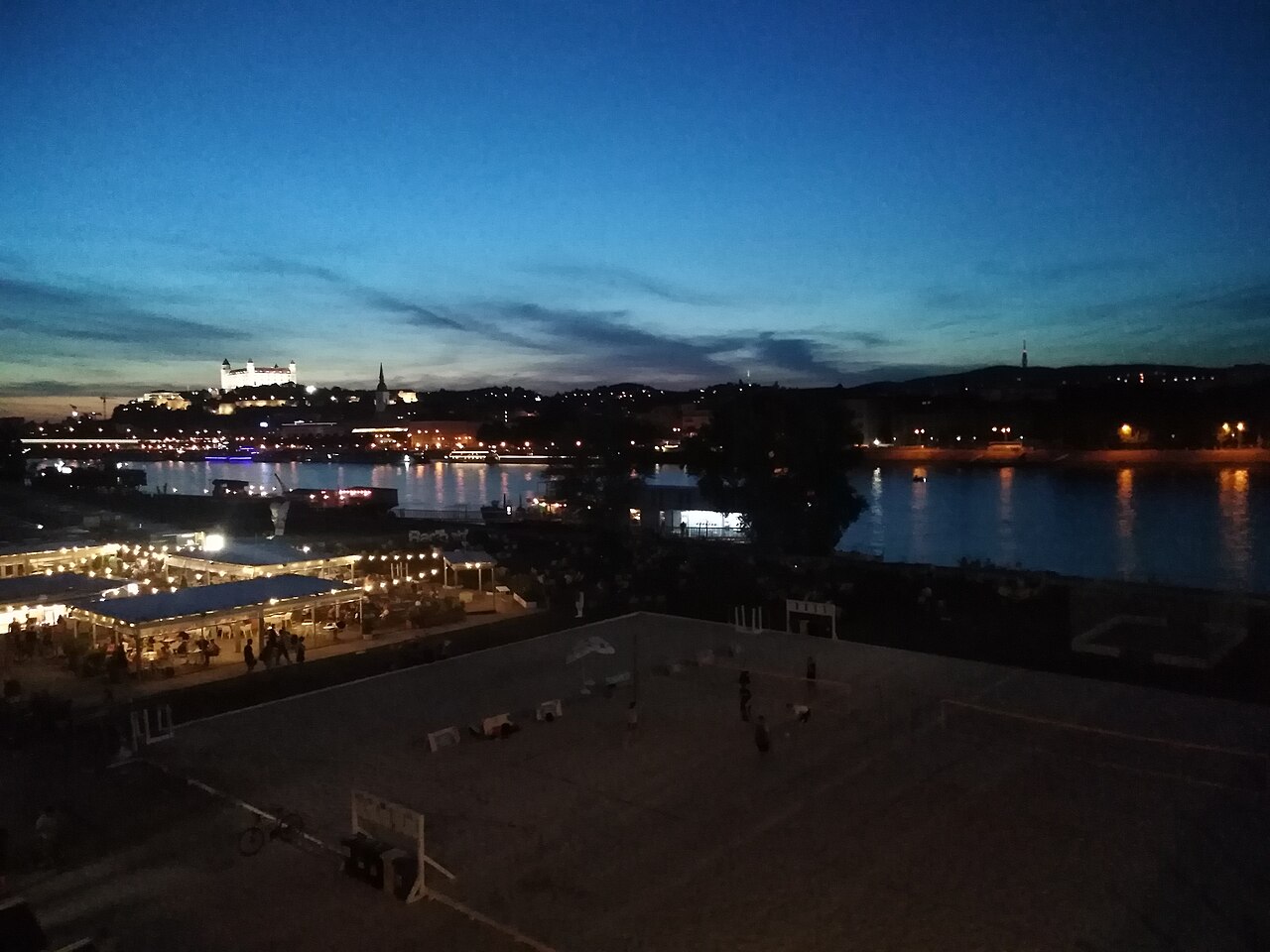
Frequently Asked Questions
Who is Bratislava?
Bratislava is the capital and largest city of Slovakia, sitting at the foot of the Little Carpathians where the Danube and Morava rivers converge. With a metropolitan population of roughly 1.3 million, it anchors the country's political, cultural, and economic life.
What is Bratislava's role?
As Slovakia's seat of government, the city houses the presidential office, the national parliament, and the supreme courts. It simultaneously functions as the primary centre for the country's arts, commerce, and higher education.
What makes Bratislava geographically unique?
It is the only national capital in the world that shares a land border with two other sovereign states—Austria to the west and Hungary to the south. At roughly 50 kilometres from Vienna, the two form the closest pair of capital cities on the European continent.
What is Bratislava's historical claim to fame?
Long before its modern identity, Bratislava served as the coronation city where Hungarian kings were crowned, a tradition that gave the town outsized prestige in Central European affairs. That medieval legacy still shapes its identity alongside its post-1993 role as a young national capital.
How popular is Bratislava as a destination?
The city welcomed approximately 1.2 million visitors in 2024, drawn by its riverside old town, the hilltop castle, and its position as a natural crossroads between Austria, Hungary, and Slovakia.
More in Cities Of The World 25-40
Elsewhere in the Cities Of The World universe
Spotted an error? Know more?
This is a living reference — every entry is fact-audited, and reader corrections feed straight into our audit queue. Suggest an edit · See this site's audit record