
Bordeaux
Port city and world capital of wine in southwestern France.

David.J Janssen · CC BY-SA 4.0
Bordeaux is a city on the river Garonne in the Gironde department, southwestern France. A port city, it is the capital of the Nouvelle-Aquitaine region and the prefecture of the Gironde department. It is a world capital of wine, home to the world's main wine fair Vinexpo, and a center for gastronomy, business tourism, and the aeronautics, military, and space sectors.
- region
- Nouvelle-Aquitaine
- department
- Gironde
- known_for
- Wine capital, Port of the Moon UNESCO site, historic monuments
- inhabitant_name
- Bordelais (masculine) / Bordelaises (feminine)
Lore & Background
The city came under Roman rule around 56 BC, becoming a commercial centre for tin and lead. In the late 6th century, it re-emerged as a county and archdiocese within the Merovingian kingdom. During the Carolingian period, counts of Bordeaux often held the title of Duke of Vasconia, tasked with defending against Basques and Vikings.
Reader's Guide
Bordeaux's significance lies in its long history as a major port and commercial hub, particularly during the 18th century when it was a key node in global trade networks, including the slave trade. The city is a world capital of wine, hosting Vinexpo, and a center for aeronautics, military, and space industries, with companies like Dassault Aviation and ArianeGroup. Bordeaux's legacy includes its role in the Angevin Empire, its brief period as an independent state under the Black Prince, and its later integration into France.
Did You Know?
- The Laser Mégajoule, one of the world's most powerful lasers, is located near Bordeaux in Le Barp.
A River City at the Heart of Southwestern France
Bordeaux sits along the Garonne River in the Gironde department, anchoring the southwestern corner of France. As both the capital of the Nouvelle-Aquitaine region and the prefecture of Gironde, it carries significant administrative weight. Widen the lens to include suburbs and exurbs, and the metropolitan area swells to roughly 1.38 million people, placing it sixth among French urban areas behind Paris, Lyon, Marseille, Lille, and Toulouse. That makes it the fifth-largest metropolitan council in France. Locals call themselves Bordelais or Bordelaises, a term that also extends to the wider region surrounding the city.
Wine, Wings, and Lasers
Bordeaux has long been synonymous with viticulture; the hillsides of the Gironde are dotted with châteaux and vineyards, and the city hosts Vinexpo, the world's principal wine fair. Yet its economic identity stretches far beyond the cellar. The metropolis is a strategic hub for aeronautics, defense, and space technology, housing major firms including Dassault Aviation, ArianeGroup, Safran, and Thales. On the research front, Bordeaux is home to one of only two megajoule-class lasers on the planet, underscoring its role as a crossroads of advanced knowledge. Beyond these sectors, Bordeaux also positions itself as a center for gastronomy and business tourism, regularly organizing international congresses that draw professionals from around the globe.
From Burdigala to the Viking Age
By roughly 60 BC the city was firmly under Roman rule, growing into a commercial hub for tin and lead; the amphitheatre and Les Piliers de Tutelle date from that period. Bordeaux then faded into obscurity before re-emerging in the late sixth century as a county seat and archdiocese within the Merovingian kingdom. Throughout these centuries, Aquitanian dukes and Frankish kings repeatedly contested control of the city and its strategic position on the Garonne.
A Crown of Heritage and Global Recognition
The nickname Pearl of Aquitaine reflects this accumulated grandeur. The Globalization and World Cities Research Network also ranks Bordeaux as a Sufficiency city, acknowledging its global connectivity. Together, these distinctions underscore a city that has layered Celtic, Roman, medieval, and modern identities into a living urban fabric that continues to attract visitors and scholars from across the world.
Gallery
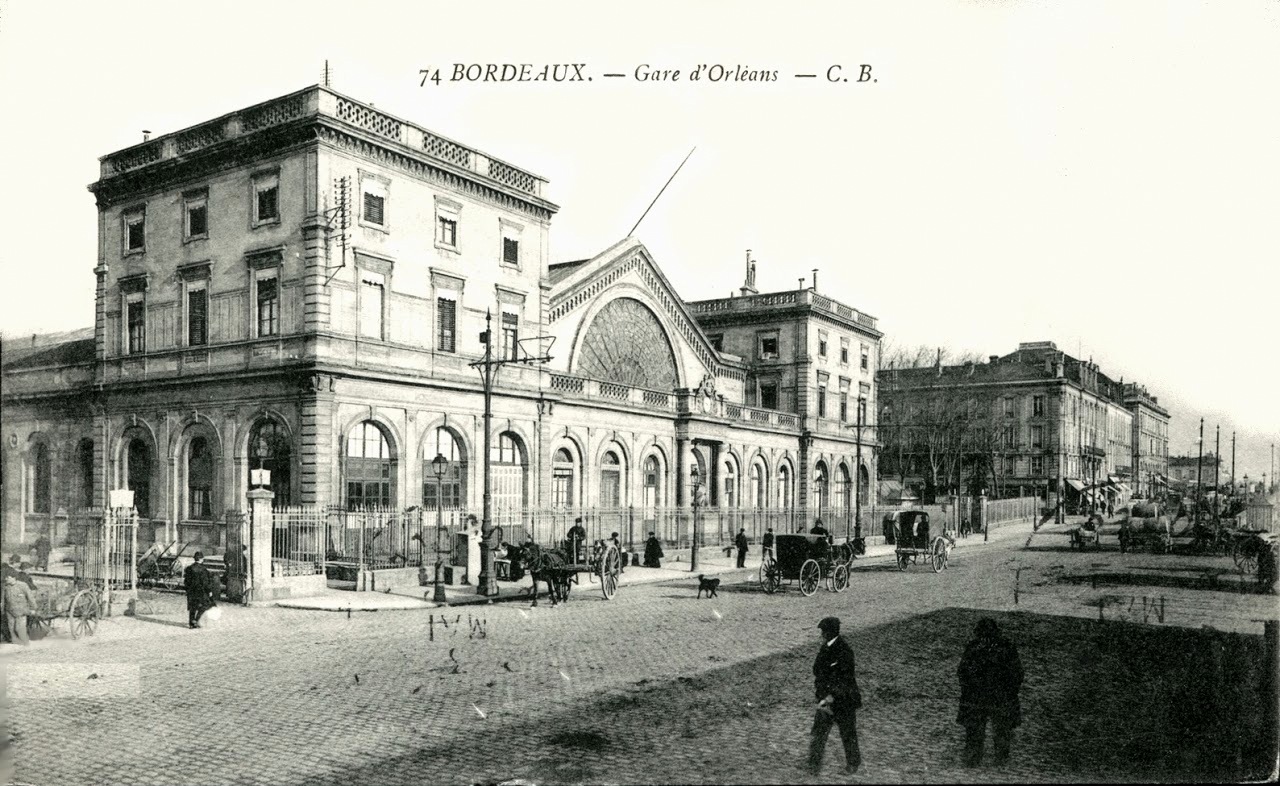
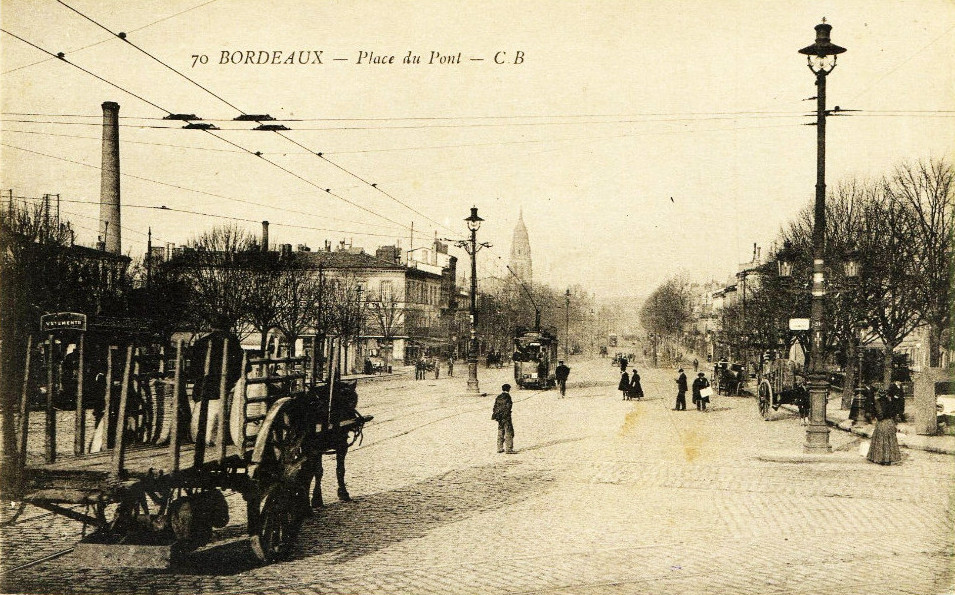
Frequently Asked Questions
Who is Bordeaux?
Bordeaux is a port city on the Garonne river in southwestern France, serving as the capital of the Nouvelle-Aquitaine region and the prefecture of the Gironde department. Its residents go by the demonym Bordelais (masculine) or Bordelaises (feminine).
What is Bordeaux's primary role or 'power'?
Bordeaux is celebrated as a world capital of wine, hosting the major international trade fair Vinexpo and anchoring a vast surrounding viticulture region. Beyond wine, it functions as a hub for gastronomy, business tourism, and high-tech sectors including aeronautics, defence, and space.
What makes Bordeaux stand out from other French cities?
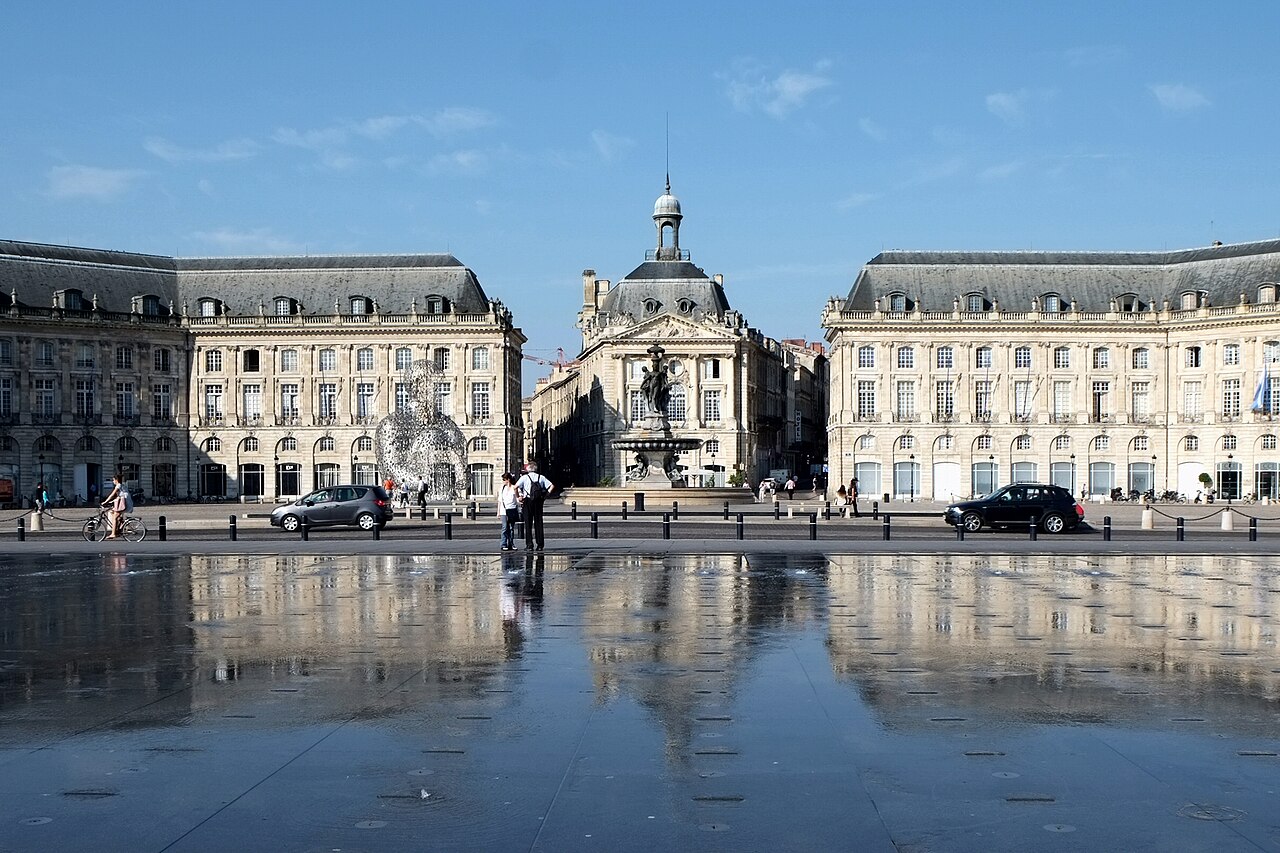
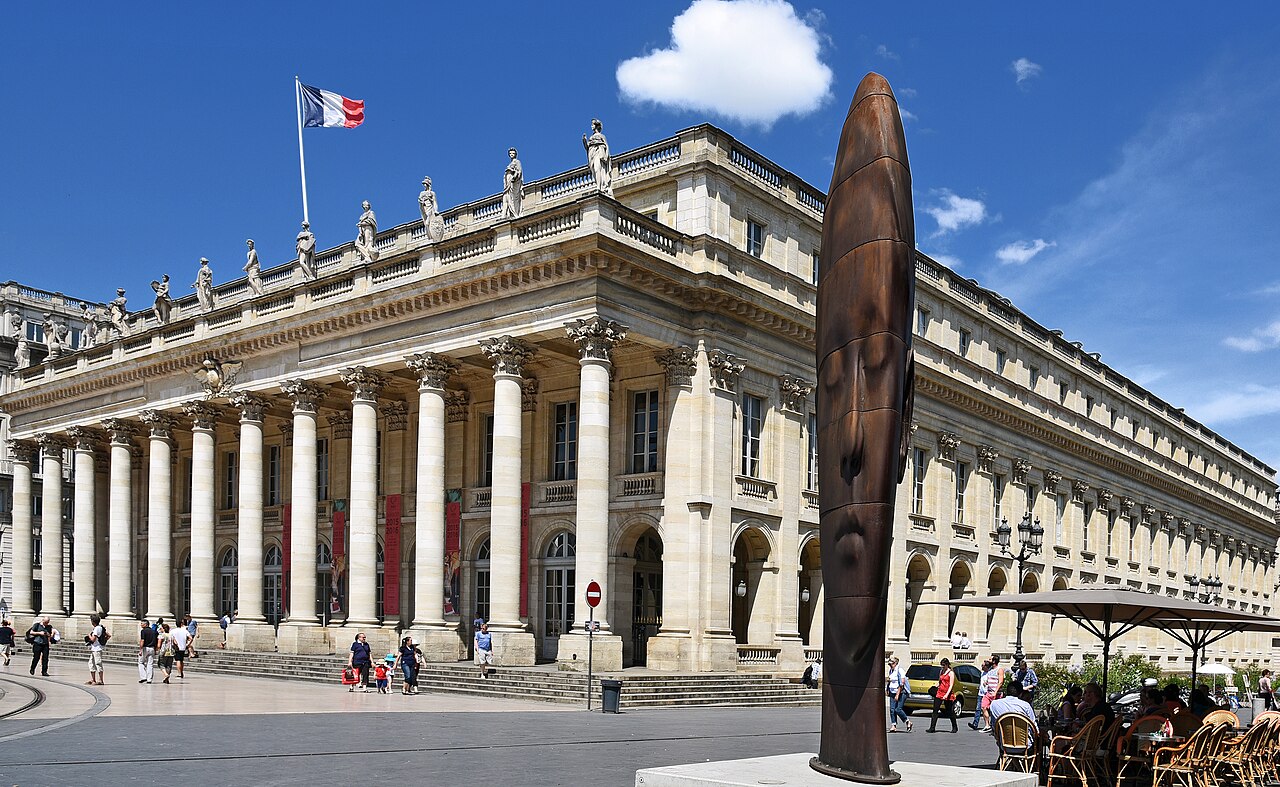
Its historic port quarter, the Port of the Moon, carries UNESCO World Heritage status, distinguishing it among French urban landscapes. The city also boasts a dense collection of historic monuments that trace its long history as a trading port.
Why is Bordeaux important on the world stage?
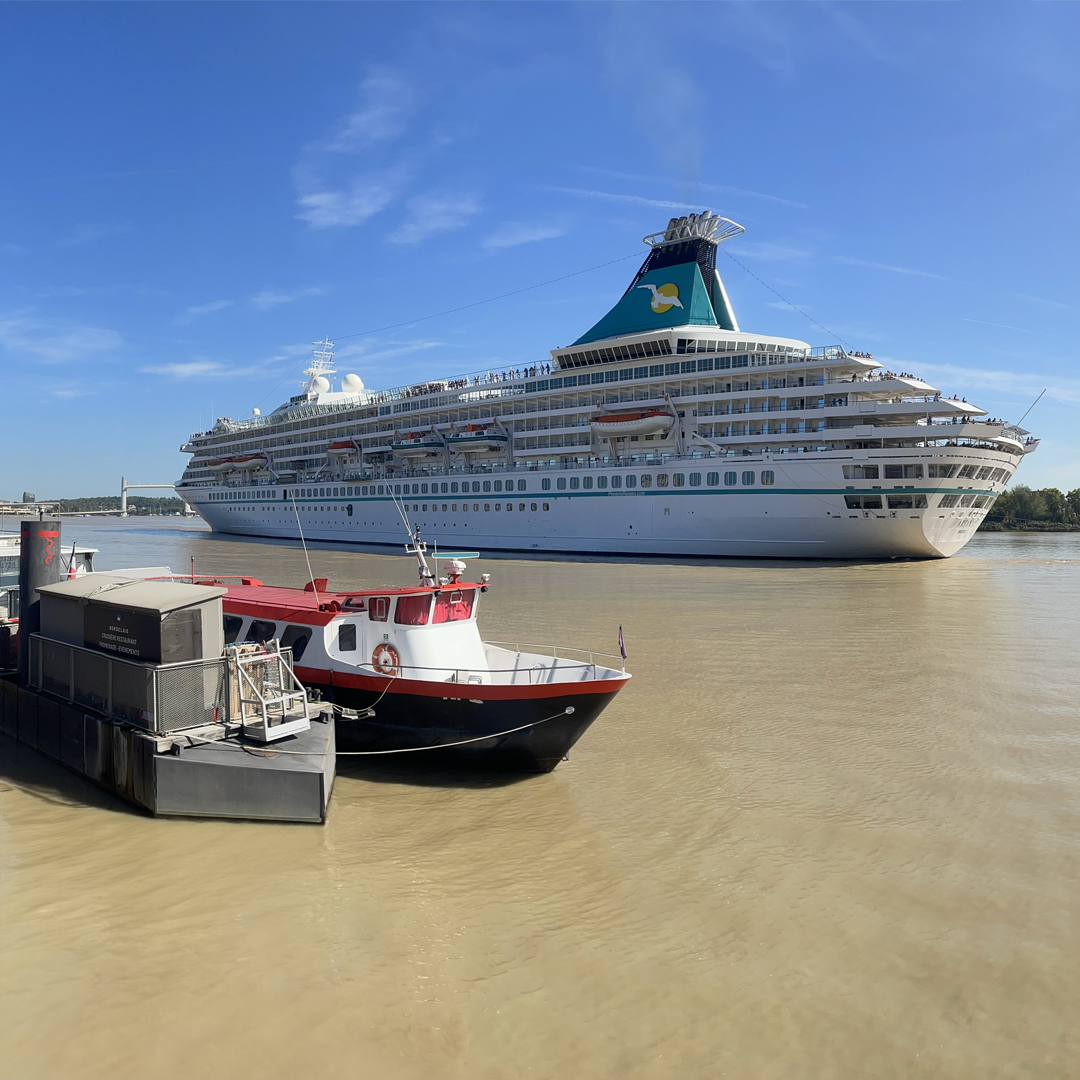
As a major river port and commercial gateway for the Nouvelle-Aquitaine region, Bordeaux connects French agriculture and industry to global markets. Its wine trade fairs and production area make it a reference point in international viticulture.
What is Bordeaux's ongoing 'story' or legacy?
Bordeaux's identity grew from centuries of Garonne river trade into a modern city where wine culture, business, and advanced aerospace industries coexist. Its heritage sites and continued leadership in global wine commerce keep that narrative actively unfolding today.
More in Cities Of The World 25-40
Elsewhere in the Cities Of The World universe
Spotted an error? Know more?
This is a living reference — every entry is fact-audited, and reader corrections feed straight into our audit queue. Suggest an edit · See this site's audit record