
Yaoundé
Capital of Cameroon, founded as a German military and administrative outpost.

Jean-Louis Heckly · CC BY-SA 4.0
With a population of more than 2.8 million, it is the second-largest city in the country after Douala.
- Country
- Cameroon
- Population
- More than 2.8 million
- Major industries
- Tobacco, dairy products, beer, clay, glass goods, timber
Lore & Background
Founded in 1888 by German explorers Richard Kund and Hans Tappenbeck as a military outpost.
Reader's Guide
Yaoundé's significance lies in its role as the political and administrative heart of Cameroon. The city has a higher standard of living and security than the rest of Cameroon. Major industries include tobacco, dairy products, beer, clay, glass goods, and timber. Yaoundé is also a regional distribution center for coffee, cocoa, copra, sugar cane, and rubber. The city houses the Presidential Palace, the Palais des Congrès, and several museums, including the Cameroon National Museum and the Blackitude Museum.
Did You Know?
- Yaoundé was founded in 1888 by German explorers Richard Kund and Hans Tappenbeck as a military outpost, not primarily as a trading base.
From Forest Outpost to National Capital
The land that would become Yaoundé was home to the Baka pygmies and later Bantu-speaking highland communities before Fulani pastoralists from the western Sahel swept through the region in the late 1770s and early 1800s.
An Administrative Heart with Industrial Threads
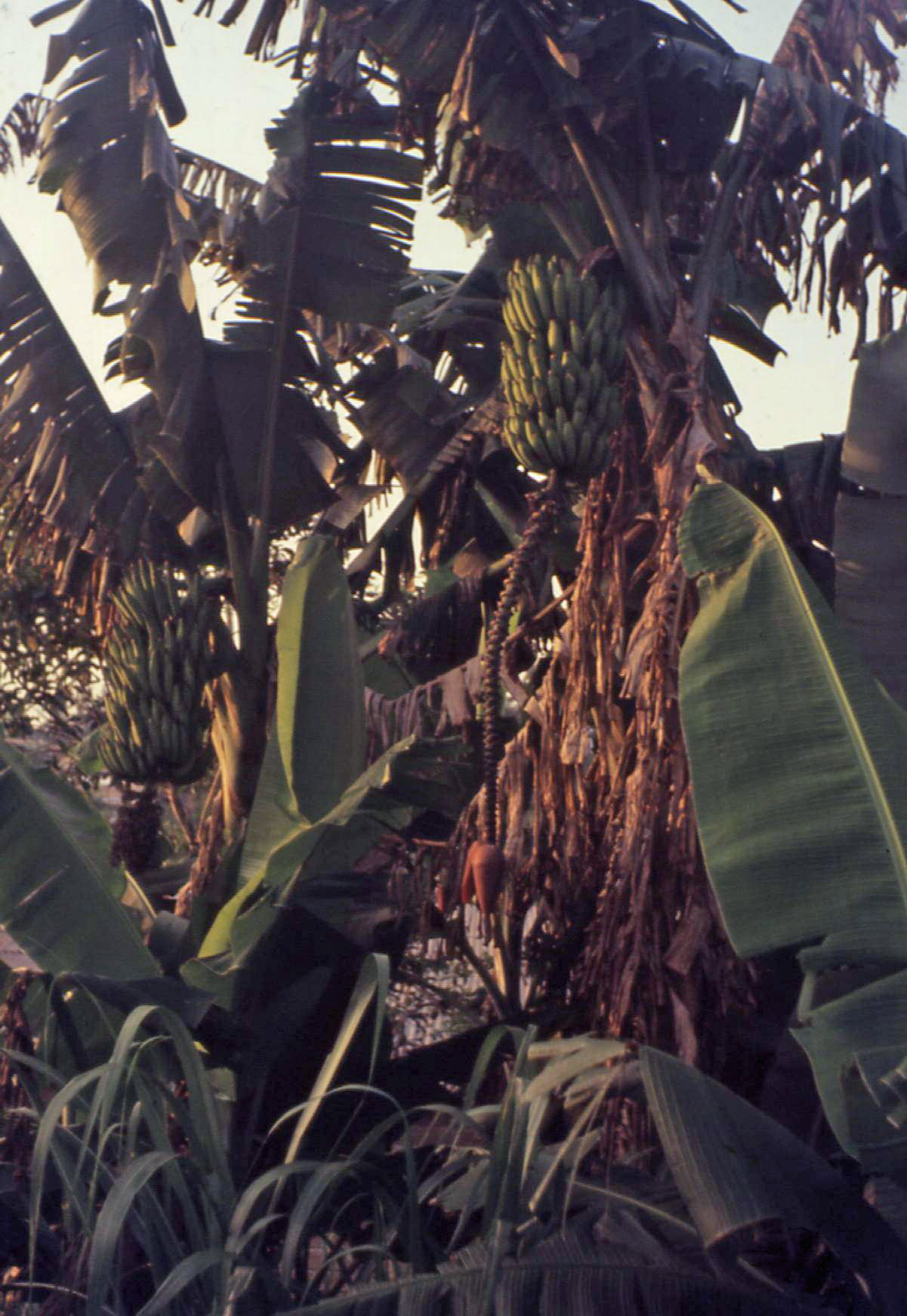
Yaoundé's economic identity is deeply tied to governance. The bulk of the city's activity revolves around the civil service apparatus and diplomatic missions, which in turn give it a higher standard of living and a greater sense of security than much of the rest of Cameroon. Beyond the administrative core, the city supports a range of manufacturing sectors, including tobacco processing, dairy production, brewing, clay and glass goods, and timber. It also functions as a regional distribution hub for coffee, cocoa, copra, sugar cane, and rubber. Urban agriculture remains a significant part of daily life, with estimates of fifty thousand pigs and over a million chickens kept within the city's bounds. The services sector contributes roughly half of the nation's total domestic production, and the economy has shown resilience and diversification even amid broader regional instability. However, corruption persists across nearly every sector in the capital, with oil, gas, and mining revenues often going unreported, and the judicial system remaining vulnerable to political influence.
Battling the Waters
For decades, flooding was one of Yaoundé's most persistent and destructive challenges. At its worst, severe flooding disrupted the city fifteen to twenty times a year, impacting as many as 100,000 residents at a single time. Within four years, the frequency of major flooding had dropped from fifteen episodes to just three per year, and incidences of water-borne diseases such as typhoid and malaria fell by nearly half. Additional measures included relocating residents living along drainage routes and in low-lying flood-prone zones.
Monuments, Museums, and Living Culture
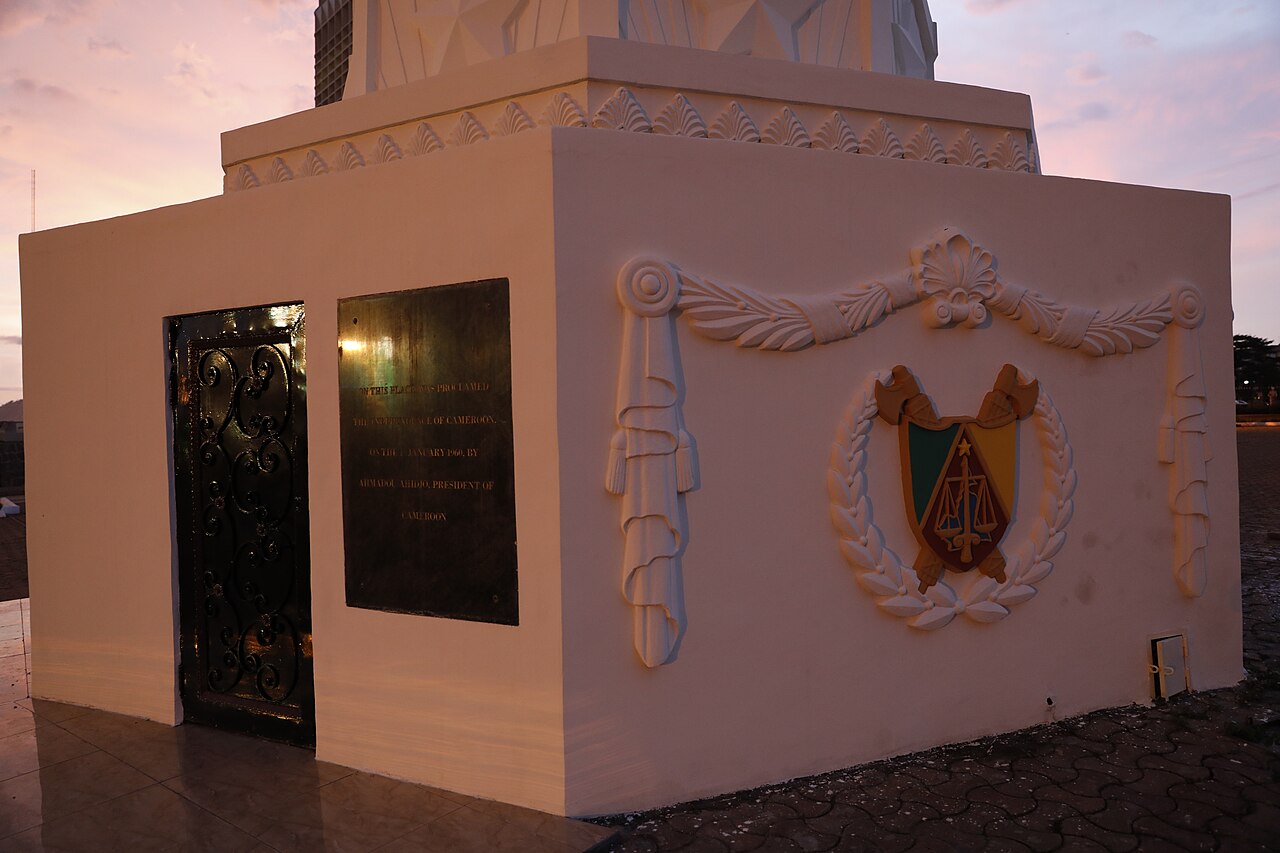
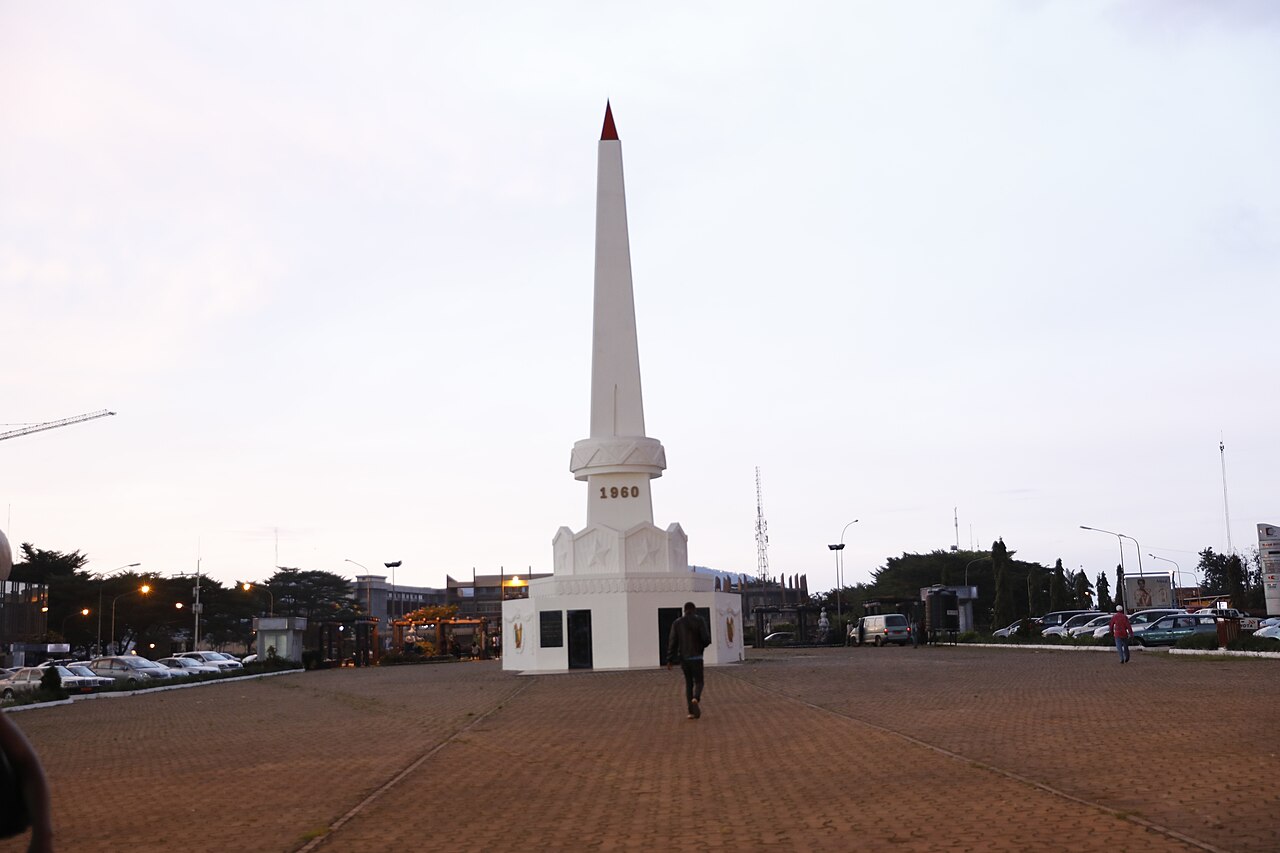
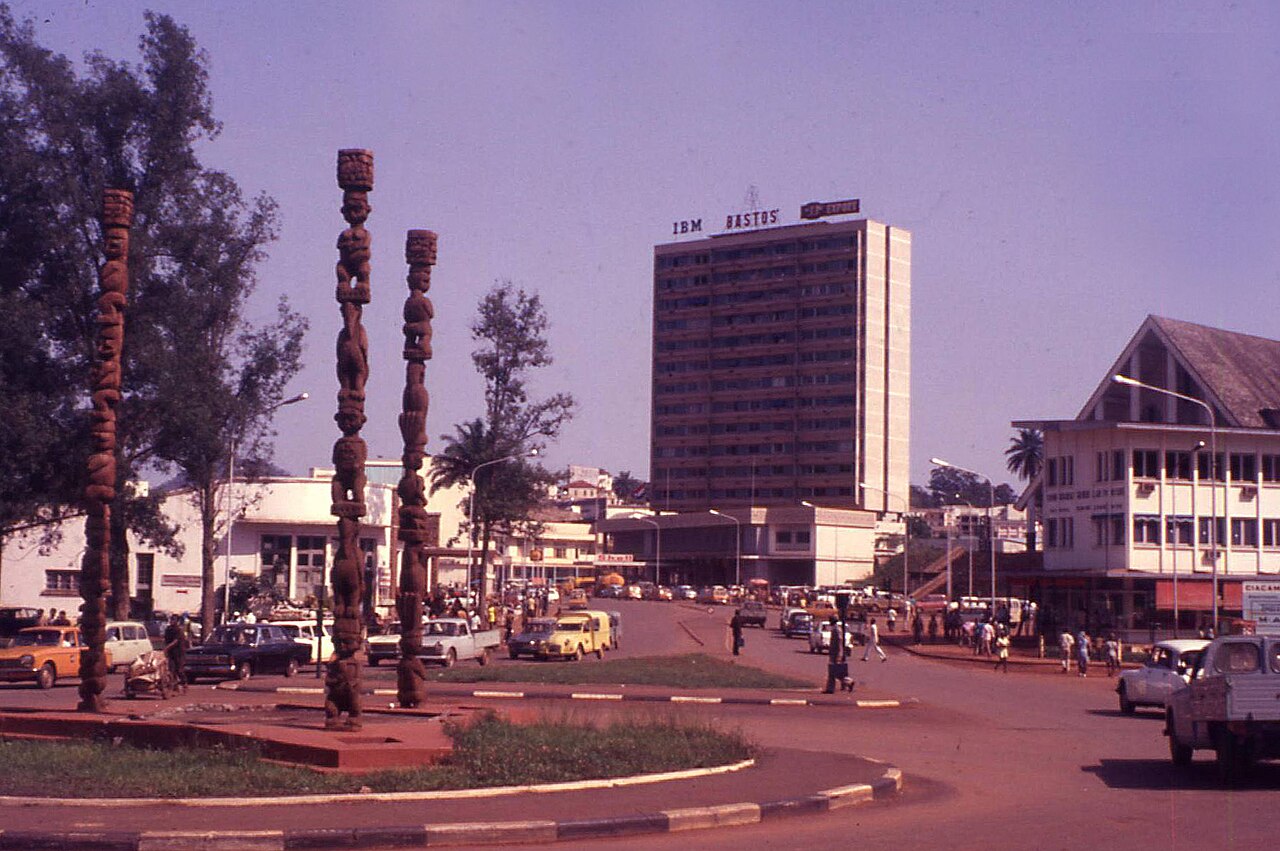
Yaoundé's built environment reflects both its colonial past and its post-independence identity. The city centre clusters government offices, hotels, and the central market, while the Bastos district hosts foreign embassies and expatriate communities. The Presidential Palace and its compound sit in the Etoudi district, and landmarks such as the Reunification Monument, the Sport Palace, and the Palais des Congrès punctuate the urban landscape. The Mvog-Betsi neighbourhood is home to a small zoo and botanic park, and the Yaoundé Municipal Lake offers a green respite. Culturally, the city houses several museums: the Cameroon Art Museum in a former Benedictine monastery, the National Museum in the former presidential palace, the Blackitude Museum, and the Afhemi Museum. The Congress Centre in Tsinga serves as a major event venue. Linguistically, Ewondo Populaire, a Beti-based pidgin, is the everyday vernacular of the city. Just outside the urban boundary, the NGO Ape Action Africa rescues and rehabilitates great apes threatened by illegal bushmeat trade and deforestation.
Gallery
Frequently Asked Questions
Who is Yaoundé?
Yaoundé is the capital city of Cameroon, serving as the nation's political and administrative heart. It ranks as the country's second-most populous urban area, coming just behind Douala.
What is Yaoundé's role in Cameroon?
As the capital, Yaoundé houses the seat of national government and central administration. It also anchors a broad industrial base covering tobacco processing, dairy and beer production, glass and clay goods, and timber trade.
How did Yaoundé come to be?
The city traces its origins to a German military and administrative outpost established during the colonial era. Over time it expanded into the modern capital of independent Cameroon.
How big is Yaoundé?
The metro area is home to more than 2.8 million residents, making it the second-largest city in Cameroon after Douala.
Why is Yaoundé important to Cameroon?
Beyond its political centrality as the capital, Yaoundé drives a diverse manufacturing and processing economy across food, beverages, construction materials, and forestry. Its combination of government functions and industrial output makes it a pivotal hub for the country's overall development.
More in Cities Of The World 1-24
Elsewhere in the Cities Of The World universe
Spotted an error? Know more?
This is a living reference — every entry is fact-audited, and reader corrections feed straight into our audit queue. Suggest an edit · See this site's audit record