
Bordeaux
Port city and world capital of wine in southwestern France.
Bordeaux sits on the Garonne River in southwestern France’s Gironde department. As a port city, it serves as the capital of the Nouvelle-Aquitaine region and the administrative center of the Gironde. Residents are called Bordelais (men) or Bordelaises (women), and the term "Bordelais" can also describe the city and its surrounding area.
Within its small municipal borders, Bordeaux proper had 267,991 people in 2023. But its wider metropolitan area—including suburbs and exurbs—reached 1,376,375 residents in January 2020, making it the sixth most populous in France, after Paris, Lyon, Marseille, Lille, and Toulouse. The Bordeaux Metropolis, an indirectly elected authority covering 27 suburban municipalities, had 819,604 people in the same census, ranking fifth among French metropolitan councils behind Paris, Marseille, Lyon, and Lille.
The city is a global hub for wine: countless châteaux and vineyards dot the hillsides of the Gironde, and Bordeaux hosts Vinexpo, the world’s leading wine fair. It also stands as a center for gastronomy and business tourism, especially for international congresses. Bordeaux is a strategic hub for aeronautics, military, and space industries, hosting major firms like Dassault Aviation, ArianeGroup, Safran, and Thales. The city’s link to aviation began in 1910, when the first airplane flew overhead. As a university research crossroads, it houses one of only two megajoule lasers on the planet and supports over 130,000 students within the Bordeaux Metropolis.
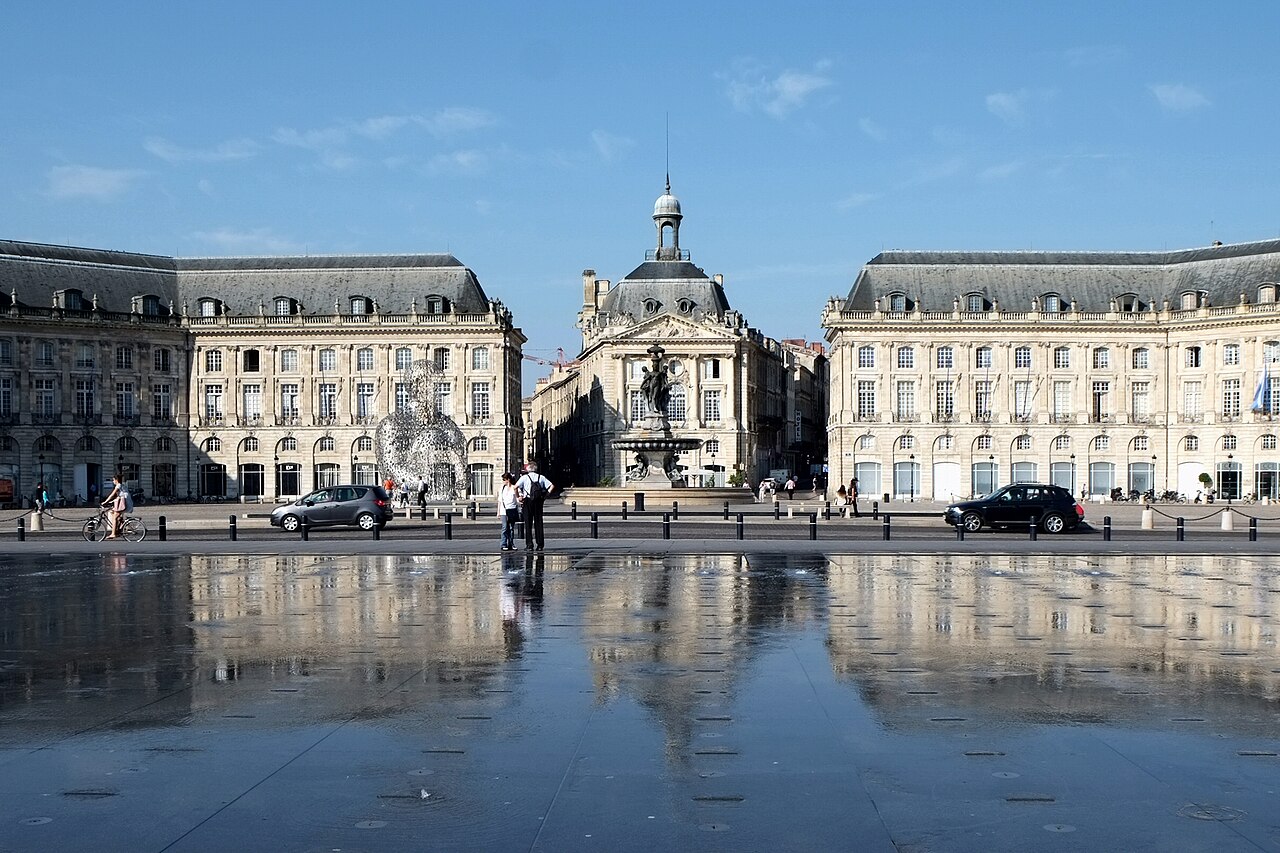
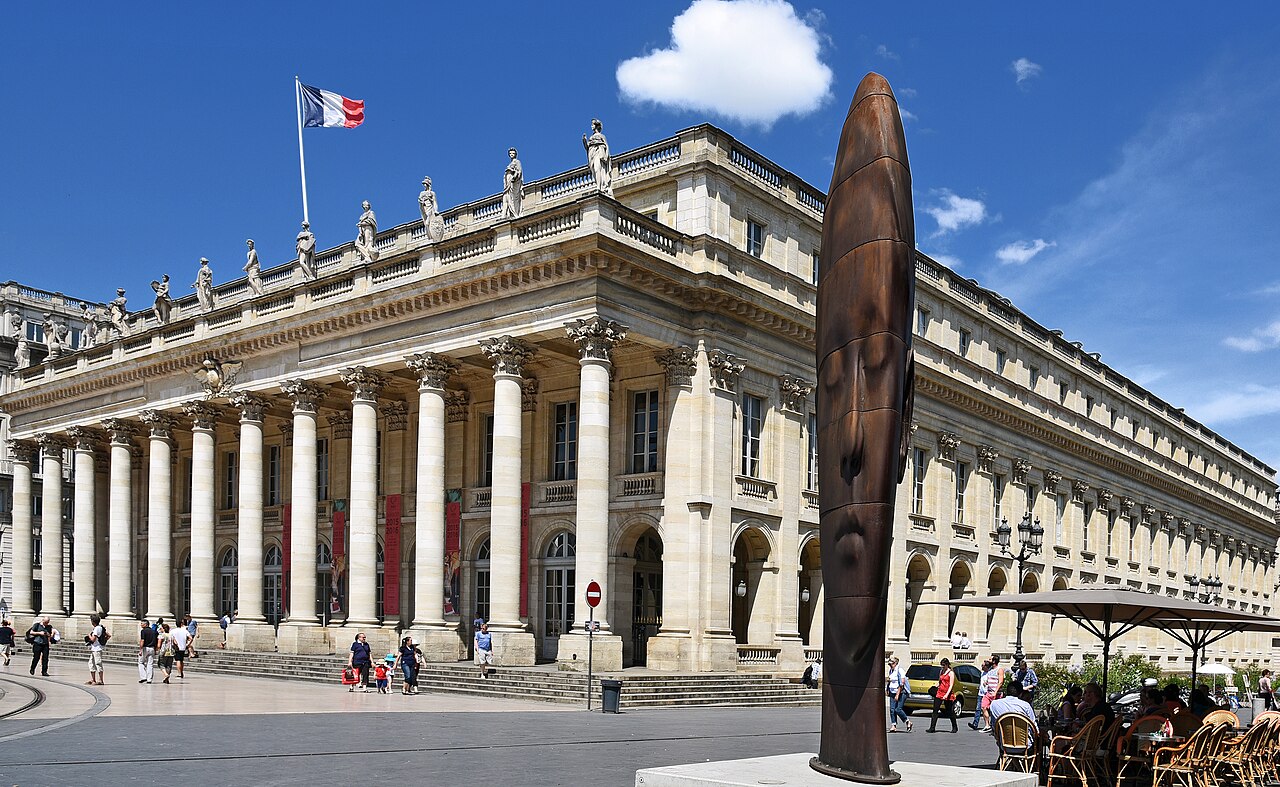
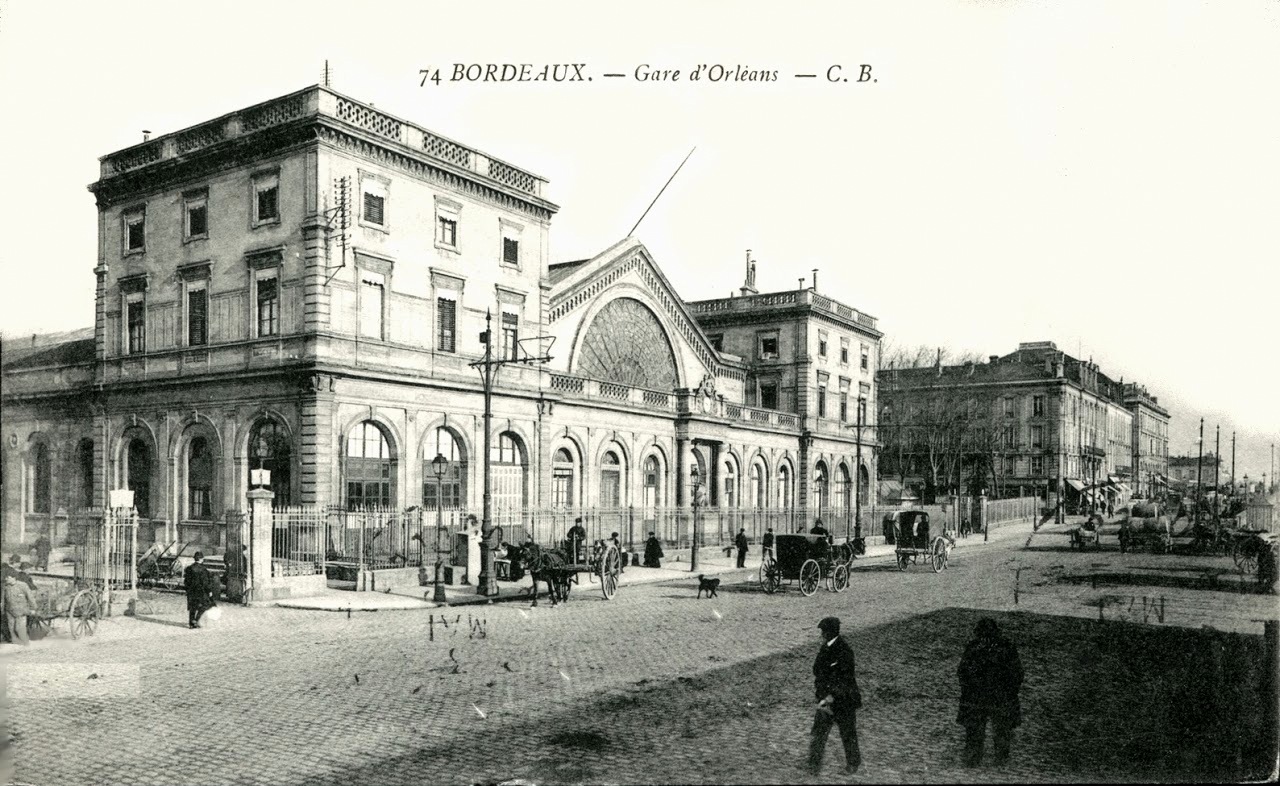
Tourists flock to Bordeaux for its architectural and cultural heritage: more than 362 historic monuments give it the second-highest number of listed or registered monuments in France, after Paris. Dubbed the "Pearl of Aquitaine," it was voted European Destination of the Year in a 2015 online poll. The metropolis also earned the 1957 Europe Prize for spreading the European ideal. In June 2007, the Port of the Moon—Bordeaux’s historic core—was added to the UNESCO World Heritage List for its outstanding urban ensemble and the city’s international importance over 2,000 years. The Globalization and World Cities Research Network ranks Bordeaux as a Sufficiency city.
**History**
Around 300 BC, a Celtic tribe called the Bituriges Vivisci settled the region, naming the town Burdigala, likely from an Aquitanian origin. In 107 BC, Romans defending the Allobroges (a Gallic tribe allied to Rome) fought the Tigurini led by Divico at the Battle of Burdigala. The Romans lost, and their commander, consul Lucius Cassius Longinus, was killed. The city came under Roman rule around 60 BC, becoming a key trade center for tin and lead. During this era, an amphitheater and the monument Les Piliers de Tutelle were built.
In 276 AD, the Vandals sacked Bordeaux. They struck again in 409, followed by the Visigoths in 414 and the Franks in 498. After that, the city faded into relative obscurity. By the late 6th century, it reemerged as the seat of a county and an archdiocese within the Merovingian kingdom of the Franks, though royal Frankish power remained weak. Bordeaux began playing a regional role as a major urban center on the edges of the newly formed Frankish Duchy of Vasconia. Around 585, Gallactorius became Count of Bordeaux and fought the Basques.
In 732, troops of Abd er Rahman plundered the city, storming its fortifications and overwhelming the Aquitanian garrison. Duke Eudes gathered forces to confront the Umayyads, eventually meeting them in the Battle of the River Garonne near the Dordogne. The battle caused heavy casualties; though Eudes was defeated, he retained enough troops to fight at the Battle of Poitiers and keep his hold on Aquitaine. In 737, after Eudes’s death, Duke Hunald rebelled. Charles responded by capturing Bordeaux, but did not hold it long. The next year, after clashing with Aquitanians, Charles left to deal with hostile Burgundian authorities. In 745, Charles’s sons Pepin and Carloman defeated Hunald, who was replaced by his son Waifer. Waifer confirmed Bordeaux as the capital, along with Bourges in the north.
During the final stage of the war against Aquitaine (760–768), Bordeaux was one of Waifer’s last major strongholds to fall to King Pepin the Short. Charlemagne later built the fortress of Fronsac near Bordeaux on a hill across the border with the Basques, where Basque commanders pledged loyalty in 769. In 778, Seguin (or Sihimin) was appointed count of Bordeaux, likely undermining Duke Lupo’s power and possibly triggering the Battle of Roncevaux Pass. In 814, Seguin became Duke of Vasconia but was deposed in 816 for failing to suppress a Basque rebellion. Under the Carolingians, the Counts of Bordeaux sometimes also held the title of Duke of Vasconia, tasked with keeping the Basques in check and defending the mouth of the Garonne.
- region
- Nouvelle-Aquitaine
- department
- Gironde
- known_for
- Wine capital, Port of the Moon UNESCO site, historic monuments
- inhabitant_name
- Bordelais (masculine) / Bordelaises (feminine)
Lore & Background
Bordeaux is a city on the Garonne River in the Gironde department of southwestern France. It serves as the capital of the Nouvelle-Aquitaine region and the prefecture of the Gironde. Its inhabitants are known as Bordelais (masculine) or Bordelaises (feminine), a term that also refers to the city and its surrounding region. The city proper had a population of 267,991 in 2023 within a small municipal territory, while its metropolitan area reached 1,376,375 in January 2020, making it the sixth most populous in France. Bordeaux and 27 suburban municipalities form the Bordeaux Metropolis, an indirectly elected authority managing wider metropolitan issues, with a population of 819,604 in January 2020, ranking fifth among French metropolitan councils. A world capital of wine, Bordeaux is home to numerous châteaux and vineyards on the hillsides of the Gironde and hosts the major wine fair Vinexpo. It is a center for gastronomy and business tourism, and a strategic hub for aeronautics, military, and space sectors, hosting companies like Dassault Aviation, ArianeGroup, Safran, and Thales; aviation links date to 1910. The city is a knowledge crossroads, housing one of only two megajoule lasers in the world and over 130,000 university students within the metropolis. Bordeaux is an international tourist destination with more than 362 historic monuments, the most in France after Paris, and is known as the "Pearl of Aquitaine." In June 2007, the Port of the Moon in historic Bordeaux was inscribed on the UNESCO World Heritage List for its outstanding architecture and urban ensemble, recognizing its international importance over 2,000 years. The city is also ranked as a Sufficiency city by the Globalization and World Cities Research Network.
Reader's Guide
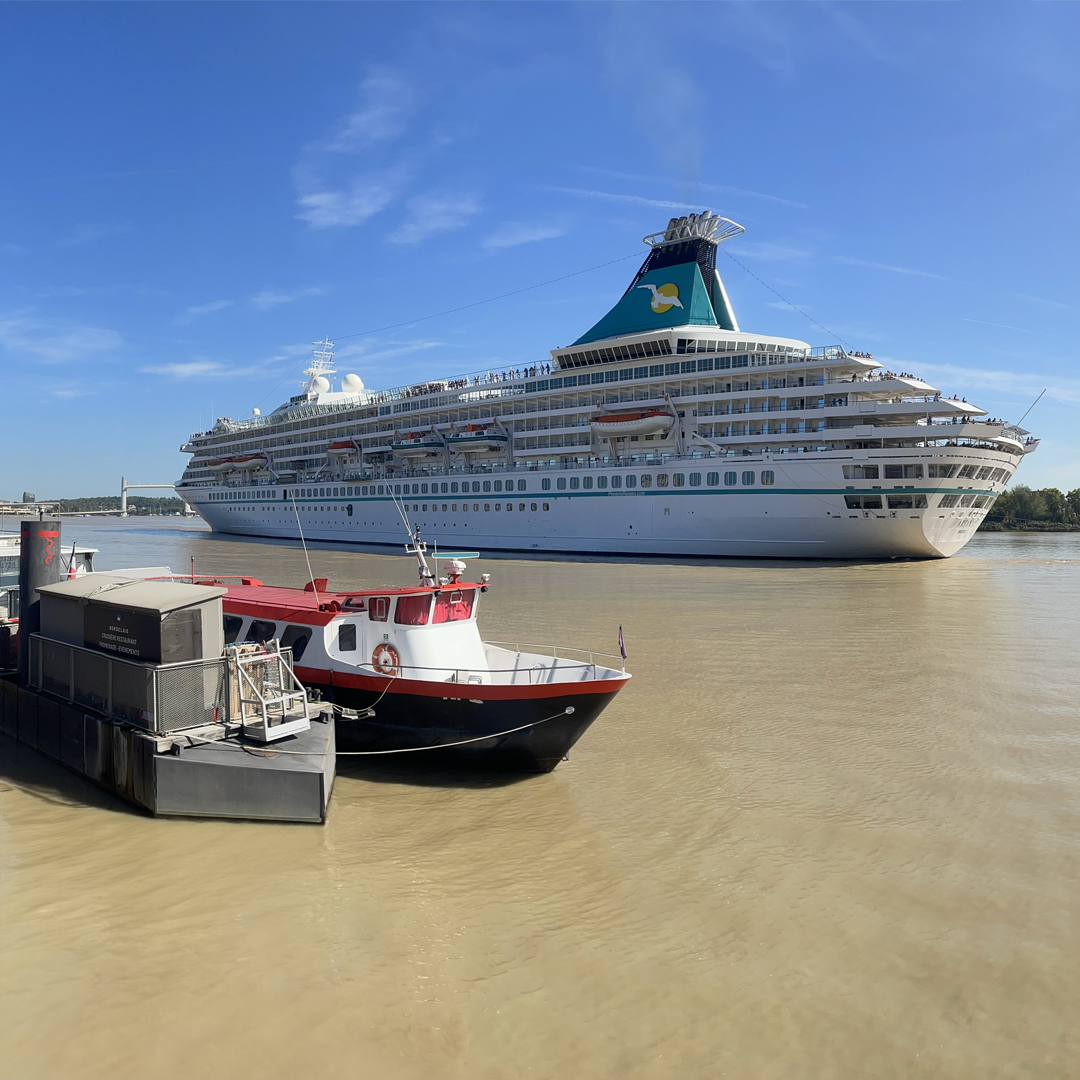
Bordeaux's significance lies in its long history as a major port and commercial hub, particularly during the 18th century when it was a key node in global trade networks, including the slave trade. The city is a world capital of wine, hosting Vinexpo, and a center for aeronautics, military, and space industries, with companies like Dassault Aviation and ArianeGroup. Bordeaux's legacy includes its role in the Angevin Empire, its brief period as an independent state under the Black Prince, and its later integration into France.
Did You Know?
- The Laser Mégajoule, one of the world's most powerful lasers, is located near Bordeaux in Le Barp.
A River City at the Heart of Southwestern France
Bordeaux sits along the Garonne River in the Gironde department, anchoring the southwestern corner of France. As both the capital of the Nouvelle-Aquitaine region and the prefecture of Gironde, it carries significant administrative weight. Widen the lens to include suburbs and exurbs, and the metropolitan area swells to roughly 1.38 million people, placing it sixth among French urban areas behind Paris, Lyon, Marseille, Lille, and Toulouse. That makes it the fifth-largest metropolitan council in France. Locals call themselves Bordelais or Bordelaises, a term that also extends to the wider region surrounding the city.
Wine, Wings, and Lasers
Bordeaux has long been synonymous with viticulture; the hillsides of the Gironde are dotted with châteaux and vineyards, and the city hosts Vinexpo, the world's principal wine fair. Yet its economic identity stretches far beyond the cellar. The metropolis is a strategic hub for aeronautics, defense, and space technology, housing major firms including Dassault Aviation, ArianeGroup, Safran, and Thales. On the research front, Bordeaux is home to one of only two megajoule-class lasers on the planet, underscoring its role as a crossroads of advanced knowledge. Beyond these sectors, Bordeaux also positions itself as a center for gastronomy and business tourism, regularly organizing international congresses that draw professionals from around the globe.
From Burdigala to the Viking Age
By roughly 60 BC the city was firmly under Roman rule, growing into a commercial hub for tin and lead; the amphitheatre and Les Piliers de Tutelle date from that period. Bordeaux then faded into obscurity before re-emerging in the late sixth century as a county seat and archdiocese within the Merovingian kingdom. Throughout these centuries, Aquitanian dukes and Frankish kings repeatedly contested control of the city and its strategic position on the Garonne.
A Crown of Heritage and Global Recognition
The nickname Pearl of Aquitaine reflects this accumulated grandeur. The Globalization and World Cities Research Network also ranks Bordeaux as a Sufficiency city, acknowledging its global connectivity. Together, these distinctions underscore a city that has layered Celtic, Roman, medieval, and modern identities into a living urban fabric that continues to attract visitors and scholars from across the world.
Gallery
Frequently Asked Questions
Who is Bordeaux?
Bordeaux is a port city on the Garonne river in southwestern France, serving as the capital of the Nouvelle-Aquitaine region and the prefecture of the Gironde department. Its residents go by the demonym Bordelais (masculine) or Bordelaises (feminine).
What is Bordeaux's primary role or 'power'?
Bordeaux is celebrated as a world capital of wine, hosting the major international trade fair Vinexpo and anchoring a vast surrounding viticulture region. Beyond wine, it functions as a hub for gastronomy, business tourism, and high-tech sectors including aeronautics, defence, and space.
What makes Bordeaux stand out from other French cities?
Its historic port quarter, the Port of the Moon, carries UNESCO World Heritage status, distinguishing it among French urban landscapes. The city also boasts a dense collection of historic monuments that trace its long history as a trading port.
Why is Bordeaux important on the world stage?
As a major river port and commercial gateway for the Nouvelle-Aquitaine region, Bordeaux connects French agriculture and industry to global markets. Its wine trade fairs and production area make it a reference point in international viticulture.
What is Bordeaux's ongoing 'story' or legacy?
Bordeaux's identity grew from centuries of Garonne river trade into a modern city where wine culture, business, and advanced aerospace industries coexist. Its heritage sites and continued leadership in global wine commerce keep that narrative actively unfolding today.
More in Cities Of The World 1-24
Spotted an error? Know more?
This is a living reference — every entry is fact-audited, and reader corrections feed straight into our audit queue. Suggest an edit · See this site's audit record