
Bhubaneswar
Capital and largest city of Odisha, known as Temple City.
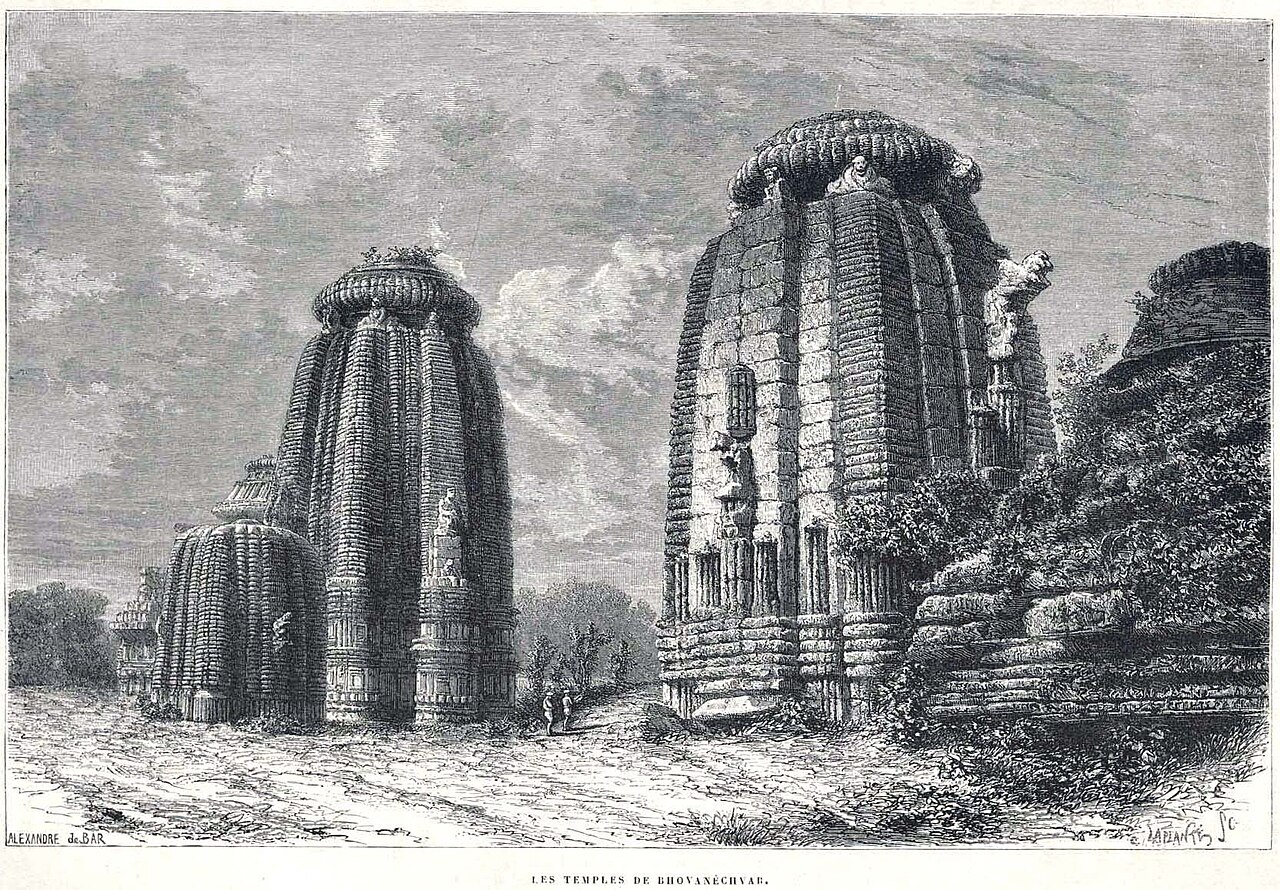
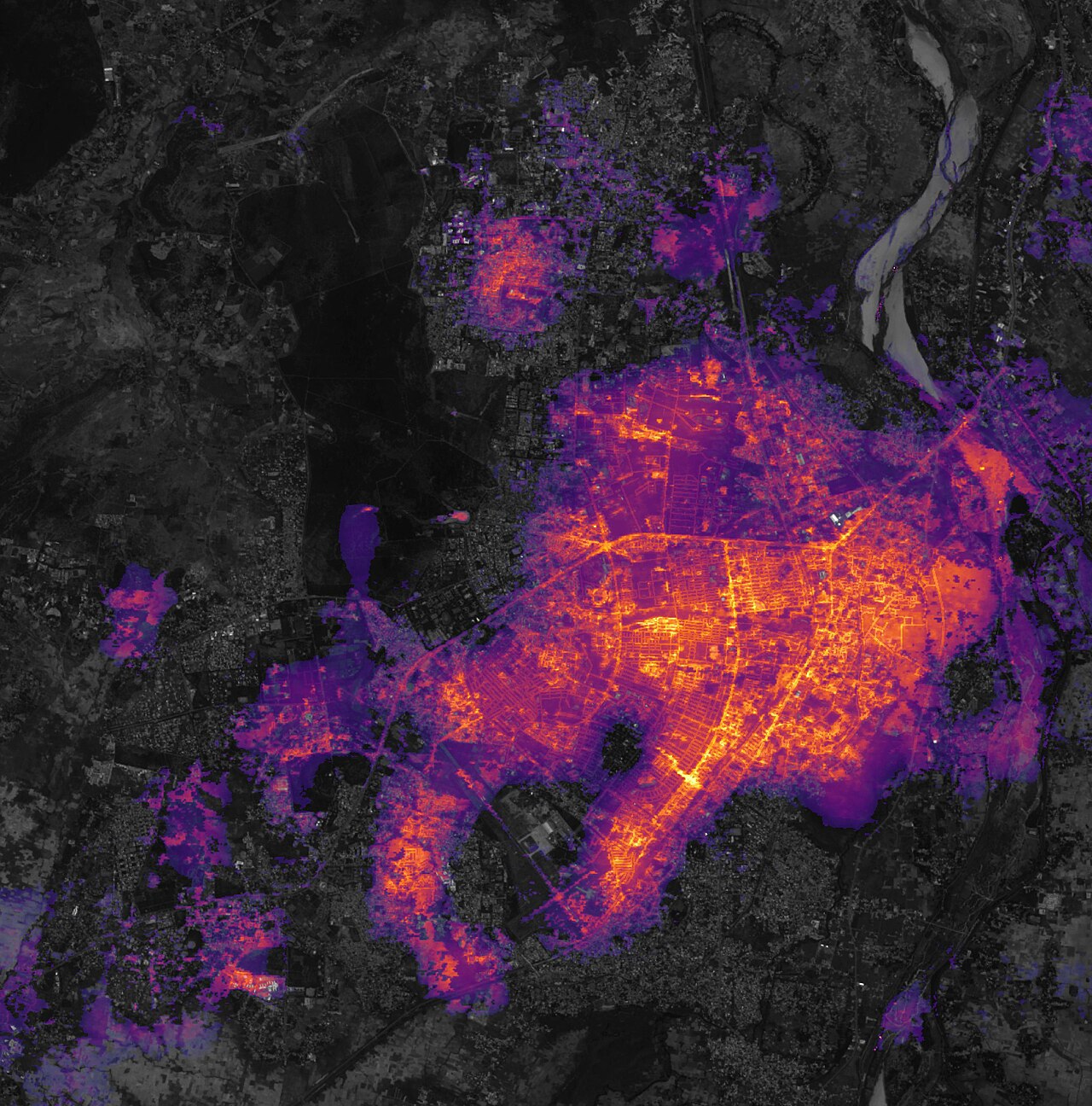
Bhubaneswar, the capital and largest city of the Indian state of Odisha, is situated in the Khordha district. Its suburban region, particularly the old town, was historically known as Chakra Khetra and Ekamra Khetra, meaning an area adorned with a mango tree. The city is widely called the "Temple City" because of the large number of temples located there. In modern times, it has become a hub for sports, tourism, and information technology within the country. Although the contemporary city was formally established in 1948, the history of the surrounding areas dates back to the 1st century BCE. Bhubaneswar represents a confluence of Hindu, Buddhist, and Jain heritage, featuring numerous Kalingan temples, many constructed between the 6th and 13th centuries CE. Together with Puri and Konark, it forms the "Swarna Tribhuja" (Golden Triangle), one of the most visited destinations in Eastern India.
Bhubaneswar replaced Cuttack as the capital of Odisha on 13 April 1948. The modern city was designed in 1946 by the German architect Otto Königsberger, making it one of India's first planned cities, alongside Jamshedpur and Chandigarh. Bhubaneswar and Cuttack are often referred to as the twin cities of Odisha, and the combined area had a population of 1.7 million in 2011. It is classified as a Tier-2 city and, along with Rourkela, was selected for India's smart city mission. The name Bhubaneswar is an anglicisation of the Odia name "Bhubanēśwara," which derives from "Tribhubanēśwara," meaning the Lord of the Three Worlds, a reference to the deity Shiva.
- country
- India
- state
- Odisha
- district
- Khordha
- known_for
- Temple City, planned city, capital of Odisha
Lore & Background
Bhubaneswar stands near the ruins of Sisupalgarh, and the Kalinga War (c. 261 BCE) was fought in the area around the Daya River, not specifically at Dhauli hill. A minor rock edict of Ashoka is carved at Dhauli, about 8 km southwest of the modern city. After the Mauryan decline, the area was ruled by the Mahameghavahana dynasty, whose king Kharavela left the Hathigumpha inscription at Udayagiri and Khandagiri caves. Subsequent dynasties included the Satavahanas, Guptas, Matharas, Shailodbhavas, Somavamshis (Keshari), Eastern Gangas, and Bhoi dynasty, with most older temples built between the 8th and 12th centuries under Shaiva influence. The area later came under Mughal, Maratha, and British rule.
Reader's Guide
Bhubaneswar's significance lies in its role as the capital of Odisha and its rich historical and religious heritage. The city is a confluence of Hindu, Buddhist, and Jain traditions, with numerous Kalingan temples dating from the 6th to 13th centuries CE. Bhubaneswar is a hub for sports, tourism, and IT, and along with Rourkela, it was selected for India's smart city mission. Despite rapid growth, the old town retains its historic temple character, while the planned city features administrative buildings and residential units.
Did You Know?
- Bhubaneswar and Cuttack are often referred to as the 'twin cities of Odisha'.
Gallery
Frequently Asked Questions
What is Bhubaneswar?
Bhubaneswar is the capital and most populous city of Odisha, a state in eastern India. It sits within Khordha district and is best known for its deep-rooted temple culture.
Why is Bhubaneswar called the 'Temple City'?
The nickname comes from the sheer number of temples found throughout the urban area, making religious architecture a defining visual and cultural feature. These sacred sites are central to the city's identity and attract pilgrims and tourists alike.
Where is Bhubaneswar located?
Bhubaneswar lies in the Khordha district of the Indian state of Odisha, in the eastern part of the country. It serves as the administrative and cultural hub of the entire state.
What role does Bhubaneswar play in the Swarna Tribhuja?
Bhubaneswar is one of the three vertices of the Golden Triangle, alongside the coastal destinations of Puri and Konark. Together, the three cities form a major tourist circuit that ranks among the most visited in eastern India.
What is Bhubaneswar most known for?
The city is recognized for its temple heritage, its status as a planned urban center, and its role as the political capital of Odisha. This blend of organized city planning and ancient religious architecture distinguishes it from many other Indian cities.
More in Cities Of The World 1-24
Spotted an error? Know more?
This is a living reference — every entry is fact-audited, and reader corrections feed straight into our audit queue. Suggest an edit · See this site's audit record