
Bhopal
Bhopal serves as the capital of Madhya Pradesh and the administrative center for both its district and division. The city is nicknamed the City of Lakes because of the many natural and artificial water bodies within its limits, and it is also counted among India’s greenest urban areas.
The city’s name is thought to come from the legendary king Raja Bhoja. The syllable “Bho” may trace back to him, while “Pal” means a dam or reservoir, referencing the many lakes. So Bhopal could mean “City of Raja Bhoja” or “City of Lakes.” According to folklore, the Paramara king Bhoja founded it in the 11th century, with a dam built by his minister giving the place its name. Another story says it was named after a king called Bhupala. A third legend claims Raja Bhoj had leprosy and was told to build a lake from the waters of 365 rivers; after bathing daily in it, he was cured, and the lake was called Bhoj Tal, leading to the name Bhojpal and eventually Bhopal.
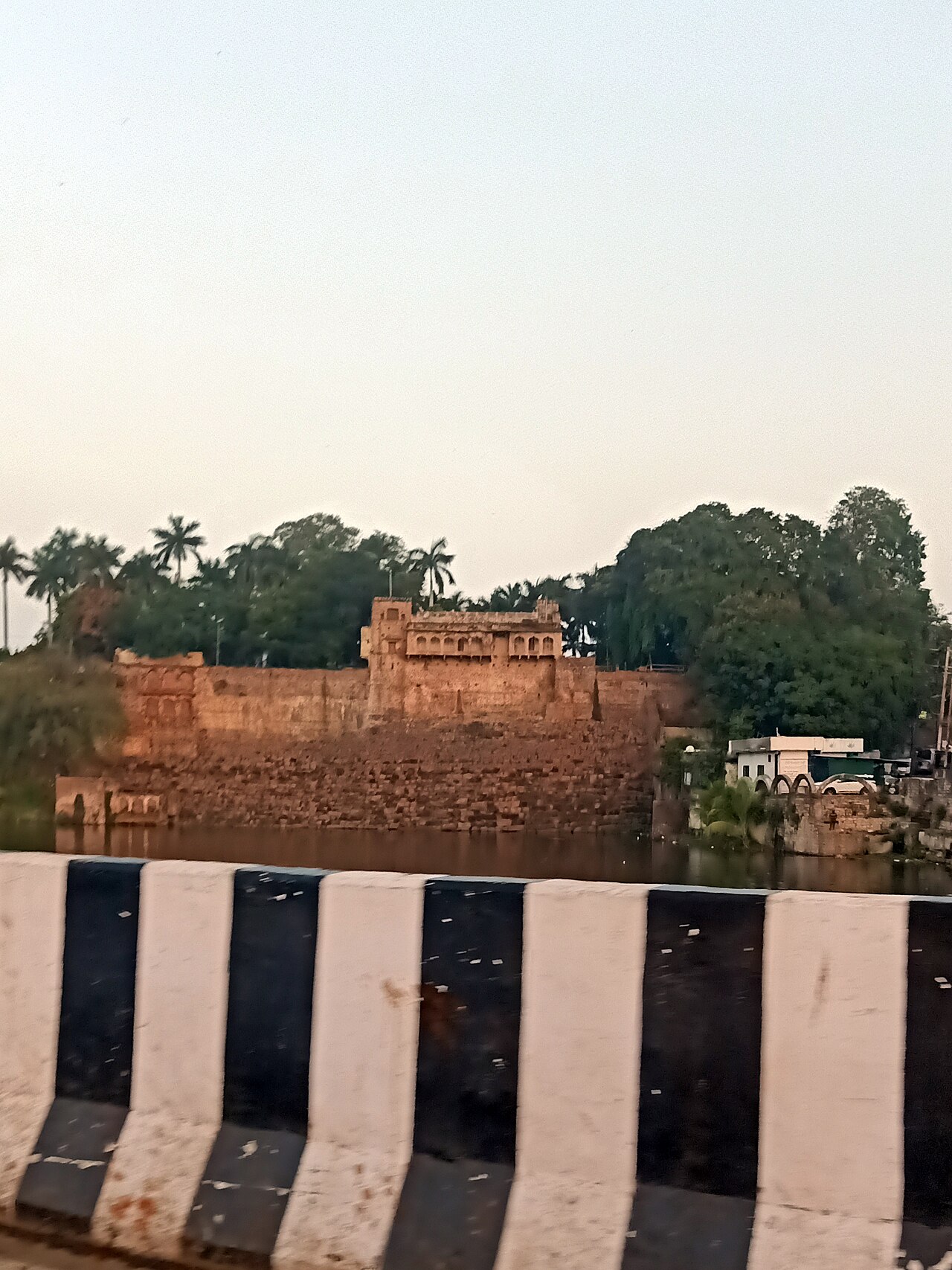
In the early 1600s, Bhopal was just a small village in the Gond kingdom. The modern city was established by Dost Mohammad Khan, a Pashtun soldier in the Mughal army. After Emperor Aurangzeb’s death, Khan became a mercenary in the unstable Malwa region. In 1709, he leased the Berasia estate and later annexed more territory to create the Bhopal State. He received the area of Bhopal from the Gond queen Kamlapati as payment for his services and took over her kingdom after her death. In the 1720s, he built the Fatehgarh fort in the village, which grew into the city over the following decades.
The state was founded in 1707 by Dost Mohammad Khan. It came under the Nizam of Hyderabad’s suzerainty in 1723. In 1737, the Marathas defeated the Mughals and the Nawab of Bhopal in the Battle of Bhopal, and began collecting tribute. The area of Malwa, including Bhopal, came under Maratha control after the combined Mughal-Nizam-Nawab forces lost that battle to Peshwa Bajirao I. Bhopal became a princely state by signing a treaty with the British East India Company in 1818, during the reign of Nazar Mohammed Khan. Between 1819 and 1926, four women—the Begums—ruled the state under British suzerainty, a unique situation for royalty at the time. Qudsia Begum was the first, from 1819 to 1837, followed by her granddaughter Shah Jehan. From 1844 to 1860, while Shah Jehan was a child, her mother Sikandar ruled as regent. During the 1857 revolt, Sikandar supported the British, and was rewarded by being proclaimed king in 1858, given a 19-gun salute, and awarded the Grand Cross of the Star of India.
After India’s independence on 15 August 1947, Bhopal was one of the last states to sign the Instrument of Accession. Its ruler acceded to the Indian government, and Bhopal became an Indian state on 1 May 1949. Following the formation of Madhya Pradesh, Bhopal was part of the Sehore district until it was split off in 1972 to create a new Bhopal district. Sindhi refugees from Pakistan were settled in Bairagarh, a western suburb.
Bhopal has a strong economy with many large and medium industries. Along with Indore, it is a central financial and economic pillar of Madhya Pradesh. Its nominal GDP was estimated at INR 44,175 crores for 2020–21 by the state’s Directorate of Economics and Statistics. As a Y-class city, it hosts numerous educational and research institutions of national importance, including ISRO’s Master Control Facility, BHEL, and AMPRI. It also has many Institutes of National Importance such as IISER, MANIT, SPA, AIIMS, NLIU, IIFM, NIFT, NIDMP, and IIIT (currently operating from a temporary campus inside MANIT). The Regional Science Centre, Bhopal, is part of the National Council of Science Museums.
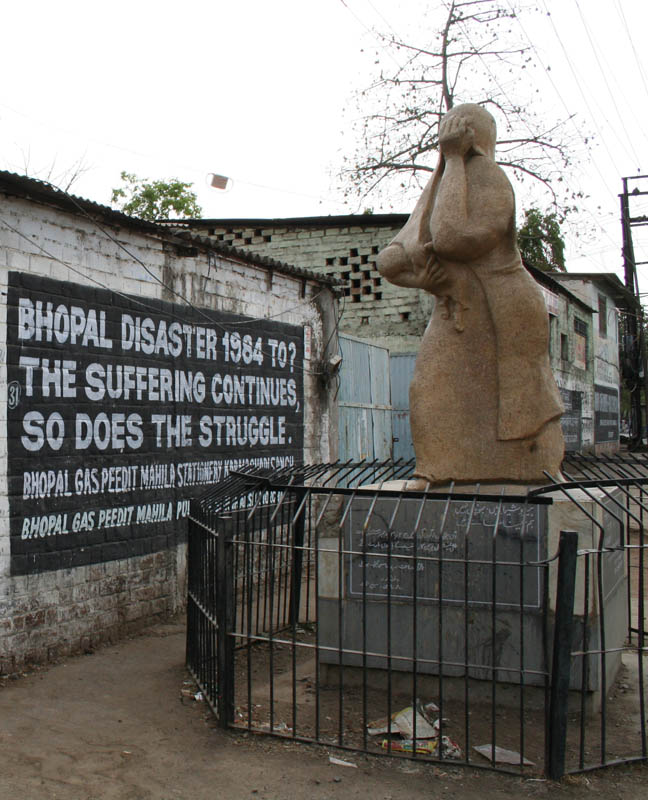
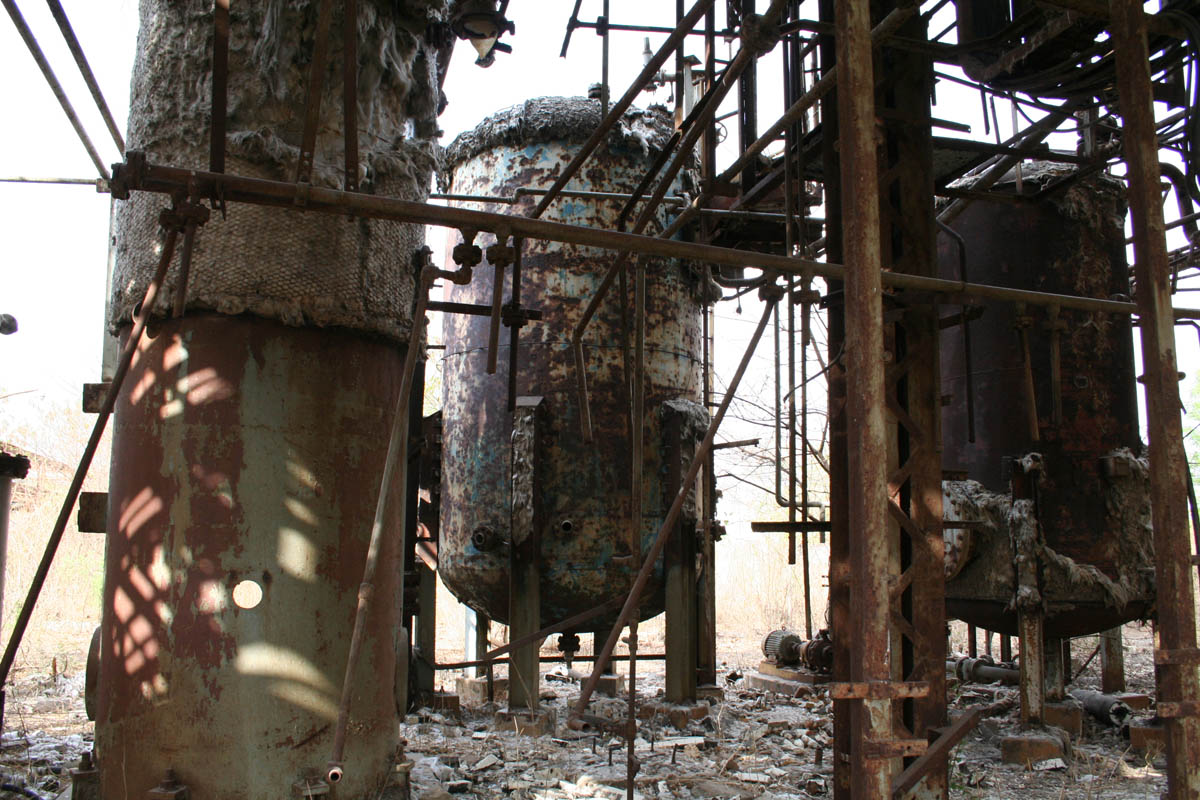
In December 1984, the city gained international attention due to the Bhopal disaster, when a Union Carbide pesticide plant (now owned by Dow Chemical Company) leaked deadly gases, mainly methyl isocyanate, causing the worst industrial disaster in history. This event remains a socio-political issue and a logistical challenge for the city’s people.
Bhopal was chosen as one of the first twenty Indian cities in the initial phase of the Smart Cities Mission. It was rated the cleanest state capital in India for three straight years—2017, 2018, and 2019. In 2023, it received a 5-star Garbage Free City rating, making it the cleanest state capital in the country.
- country
- India
- state
- Madhya Pradesh
- known_for
- Bhopal disaster, City of Lakes, smart city
- population_rank
- 16th largest city in India, 131st in the world
Lore & Background
Bhopal, the capital of Madhya Pradesh, was established around 1707 by Dost Mohammad Khan, a Pashtun mercenary in the Mughal army, who founded the city and the princely state of Bhopal after the death of Emperor Aurangzeb. The city is famously known as the "City of Lakes" due to its numerous natural and artificial water bodies, and it is also recognized as one of the greenest cities in India. Its etymology is linked to the legendary 11th-century Paramara king Bhoja, with "Bho" possibly derived from his name and "Pal" meaning dam or reservoir, reflecting the city's historical lakes. Bhopal is a Y-class city and a major economic pillar of Madhya Pradesh, hosting numerous national importance institutions such as ISRO's Master Control Facility, BHEL, IISER, MANIT, AIIMS, and others. The city gained global notoriety in December 1984 for the Bhopal disaster, the worst industrial disaster in history, when a Union Carbide plant leaked deadly methyl isocyanate gas. Despite this, Bhopal has been recognized as the cleanest state capital in India for multiple years, earning a 5-star Garbage Free City rating in 2023, and was selected among the first phase of cities for the Smart Cities Mission. Historically, the area came under Maratha control after the 1737 Battle of Bhopal, and the princely state later signed a treaty with the British in 1818. Uniquely, between 1819 and 1926, it was ruled by four successive women rulers, the Begums, under British suzerainty. After Indian independence in 1947, Bhopal was one of the last princely states to accede, becoming an Indian state on 1 May 1949.
Reader's Guide
Bhopal’s significance is twofold: as a historical princely state capital and as the site of the worst industrial disaster in history. The city was founded in the early 18th century by Dost Mohammad Khan, a Pashtun mercenary who established the Bhopal State after the death of Emperor Aurangzeb. It later became a princely state under British suzerainty and was ruled by four successive women, the Begums, between 1819 and 1926—a unique feature in Indian royalty. Bhopal was one of the last princely states to accede to independent India, becoming an Indian state in 1949. The city is known as the City of Lakes due to its many natural and artificial water bodies, and it is one of the greenest cities in India. It is a major economic and educational hub, housing institutions of national importance such as ISRO’s Master Control Facility, BHEL, IISER, MANIT, AIIMS, and others. The 1984 Bhopal disaster, caused by a gas leak from a Union Carbide plant, continues to be a part of socio-political debate, and the clean-up of environmental contamination and rehabilitation of those affected remains a logistical challenge.
Did You Know?
- The city's name is commonly derived from 'Bhojpal', named after a dam built by the 11th-century Paramara king Raja Bhoja, though the city itself was not founded until the early 1700s.
- The Bhopal disaster site still stores large quantities of lethal chemicals in underground tanks and has not been completely cleared.
Royal Lineage & the Female Rulers
Bhopal's royal story is extraordinary. Qudsia Begum first took the throne, followed by her granddaughter Shah Jehan.
The Bhopal Disaster & Its Enduring Shadow
The event stands as the worst industrial catastrophe in recorded history. Yet the disaster's reach extends far beyond that single night. Decades later, it remains a living wound: a persistent socio-political flashpoint in Indian public discourse and a daily logistical burden for residents navigating contaminated land and unresolved health consequences. The incident has shaped Bhopal's identity in ways that neither the city's lakes nor its royal past can fully offset, embedding a cautionary narrative about industrial negligence deep into the collective memory of the region and its people.
Academic & Industrial Engine of Central India
The city hosts a dense cluster of national-level institutions including IISER, MANIT, AIIMS, NLIU, NIFT, and IIIT, among others. Strategic installations such as ISRO's Master Control Facility, BHEL, and AMPRI underscore its role in India's scientific and industrial infrastructure. A Regional Science Centre, part of the National Council of Science Museums, further cements its educational profile. Beyond academia, large and medium industries anchor the local economy.
A City Named for Water and Legend
The name Bhopal weaves together legend and landscape. Folklore traces the city to the 11th-century Paramara king Bhoja, whose minister allegedly built a dam, or pal, that gave rise to the name Bhojpal. Today, the City of Lakes moniker is no mere poetic flourish—natural and artificial water bodies ring the urban boundary, and Bhopal ranks among India's greenest cities. The city also carries the imprint of partition: Sindhi refugees displaced from Pakistan found refuge in Bairagarh, a western suburb, weaving a new community into Bhopal's social fabric. As the 16th largest city in India and 131st globally, Bhopal balances its watery, verdant identity with the scale of a major metropolitan center.
Gallery
Frequently Asked Questions
Who is Bhopal?
Bhopal is the capital city of Madhya Pradesh, India, and serves as the administrative seat for both Bhopal district and the wider Bhopal division. By population it ranks as the 16th largest city in India and the 131st largest in the world.
What is Bhopal's role in its region?
As the state capital, Bhopal acts as the political and governmental hub of Madhya Pradesh, coordinating district- and division-level administration. It has also been designated a smart city, positioning it as a modernized urban center in central India.
What are Bhopal's signature traits?
Bhopal is widely nicknamed the City of Lakes because numerous natural and man-made water bodies dot its urban landscape. It is also frequently cited as one of the greenest cities in India, with extensive tree cover and parkland woven into its streets.
What is Bhopal's darkest chapter?
The 1984 Bhopal disaster, in which a massive toxic gas leak from a Union Carbide pesticide plant killed thousands and poisoned hundreds of thousands more, remains the city's most defining tragedy. It is regarded as one of the worst industrial catastrophes in recorded history.
Why does Bhopal matter on the global stage?
The 1984 industrial catastrophe prompted sweeping changes to international chemical-safety regulations and corporate liability standards. At the same time, Bhopal's reputation as a green, lake-rich capital makes it a notable example of urban design in South Asia.
More in Cities Of The World 1-24
Spotted an error? Know more?
This is a living reference — every entry is fact-audited, and reader corrections feed straight into our audit queue. Suggest an edit · See this site's audit record